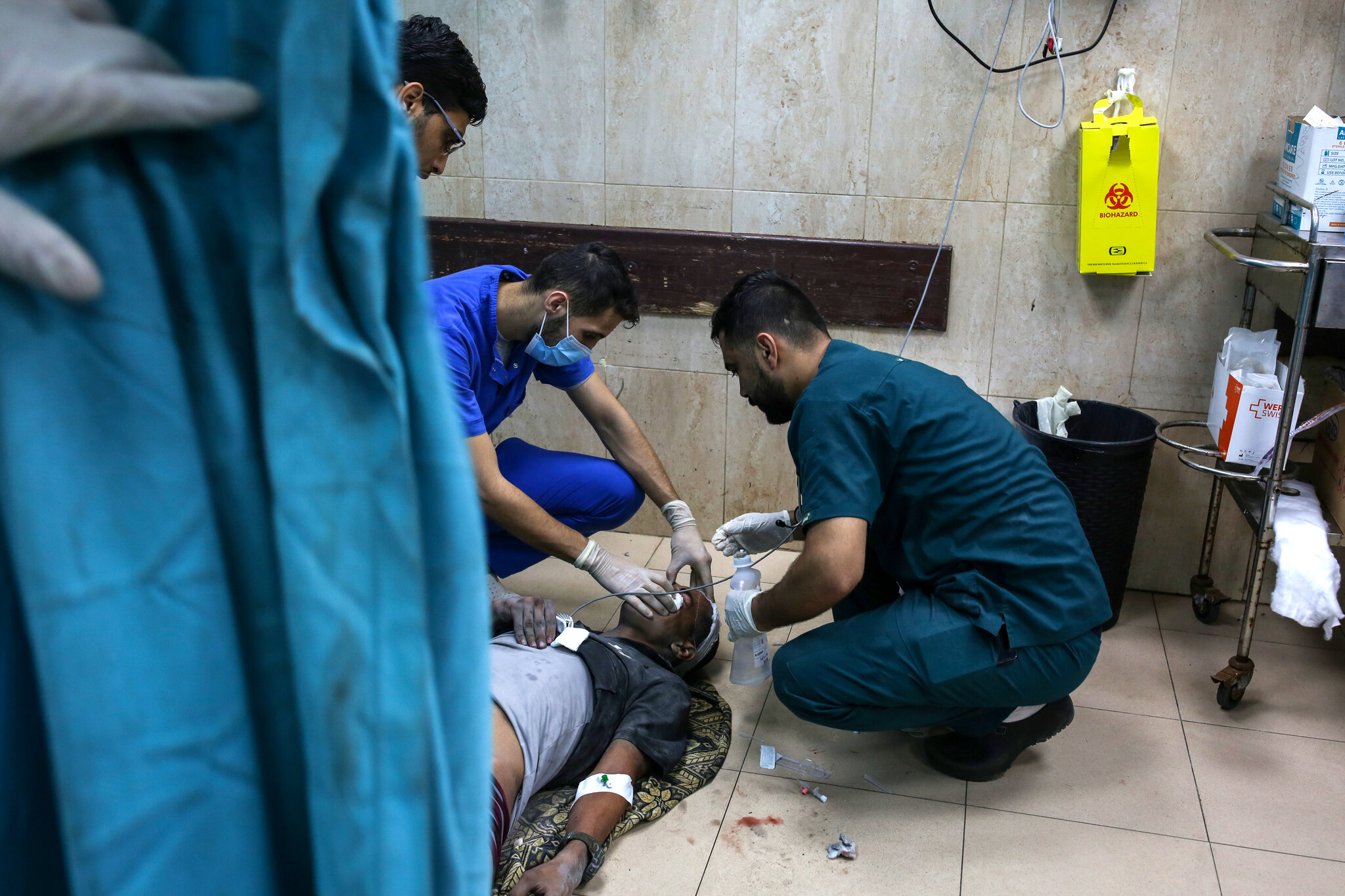
In the heart of every conflict zone, where health systems are pushed to collapse and safety is no longer guaranteed, nurses remain an indispensable line of defense. While headlines focus on geopolitics and warfare, the realities on the ground tell another story. It is a story of nurses delivering critical care under fire, stabilizing the wounded, managing scarce resources, and sustaining essential services amid devastation. In Gaza, Ukraine, Sudan, and other crisis-affected regions, these professionals are not simply responding to emergencies. They are holding entire healthcare systems together.
When Hospitals Become Targets
In conflict zones, hospitals and clinics, once seen as safe spaces, are now under attack. In Gaza, the health system is close to breaking down. Nurses are providing trauma care in crowded shelters and temporary clinics, often with few supplies and little rest. Many have watched their own hospitals be damaged or destroyed.
In Ukraine, nurses have risked their lives evacuating patients from bombed hospitals and caring for the wounded in underground shelters. Many continue working despite losing colleagues and family. Some hospitals have moved deep underground to stay operational under shelling.
In Sudan, ongoing conflict has forced nurses to deliver babies by flashlight and provide wound care without clean water or electricity. Most hospitals are out of service, and medicine shortages and power cuts are now part of daily care.
Beyond Medical Care: Emotional Survival
Nurses in these regions are not only providing physical care. They are offering critical emotional support to families torn apart, children orphaned by war, and patients grappling with the psychological toll of violence. Their roles often extend to:
- Psychological first aid
- Community education on hygiene, disease prevention, and personal safety
- Triage during mass casualty events
- Counseling survivors of sexual and gender-based violence
Their resilience is extraordinary, but it comes at a cost. Burnout, post-traumatic stress, and moral injury are widespread, while formal support systems remain limited.
The Call for Protection and Recognition
World Humanitarian Day 2025 honors aid workers who risk their lives to serve others. Nurses are central to this humanitarian effort and must be recognized accordingly.
A nurse from southern Gaza whose clinic was destroyed by shelling stated, “Nurses are not collateral. We are caregivers, not targets.”
International humanitarian law mandates the protection of healthcare workers and facilities. Yet, violations persist, with devastating consequences for both health systems and the communities they serve.
What Needs to Change
- Stronger enforcement of international protections for healthcare workers in conflict zones
- Increased mental health and trauma support for nurses working under extreme conditions
- Investment in mobile clinics, field hospitals, and emergency response training
- Greater inclusion of nurses’ voices in humanitarian policy and decision-making
A Global Salute
This World Humanitarian Day, we take a moment to acknowledge the vital role nurses play in times of crisis. From providing care under pressure to supporting patients in the most difficult conditions, their commitment makes a real difference. Even in conflict zones, nurses continue to show up, do their work, and care for others when it matters most.