How can nurses, with their firsthand patient care experience, reshape the future of healthcare? What if nurses could influence policies that directly impact the quality of care they provide? How do nurse leaders drive change in hospitals, communities, and even government offices? These are just a few questions that highlight how the role of nurses is evolving from caregivers to influential leaders shaping the healthcare system. The answers to these thought-provoking questions are explored in the article.
From Bedside to Boardroom, Nurses Stepping into Leadership
For many years, nursing was seen as a supportive role, with nurses carrying out doctors’ orders and focusing on patient care. But as healthcare systems grew more complex, it became clear that leaders were needed who truly understood the day-to-day realities of patient care. Nurses, with their firsthand experience and ability to connect with patients, were a natural fit for these roles.
The shift took time, but as nursing education expanded with advanced degrees and specialized training, nurses gained the skills to step into leadership roles. From hospital administrators to chief nursing officers (CNOs) and government advisors, nurse leaders now play a key role in advocating for better care, improving healthcare systems, and tackling challenges in the profession.
Nurses as Advocates and Leaders in Healthcare
One of the most powerful aspects of nurse leadership is advocacy. Nurses are often the first to notice gaps in care, whether it’s a lack of resources, disparities in treatment, or systemic issues that affect patient outcomes. Because they work so closely with patients, they have a unique understanding of what people need and what’s not working in the system.
For example, during the COVID-19 pandemic, nurse leaders were instrumental in shaping healthcare responses:
- Advocated for adequate personal protective equipment (PPE).
- Developed and enforced safety protocols.
- Pushed for mental health support for healthcare workers.
- Ensured policies were practical and based on real-world experience.
- Served as key voices in the decision-making process.
But it’s not just during crises that nurses make a difference. Every day, nurse leaders are working to address social determinants of health such as housing, education, and access to healthy food that affect people’s well-being. By partnering with community organizations and policymakers, they’re helping to create healthier, more equitable communities.
Nurses Taking Leadership in Politics
Nurse leadership isn’t confined to hospitals or healthcare organizations. More and more nurses are stepping into the political arena, running for office, and using their expertise to shape healthcare policy at the highest levels. For example, in the U.S., Representative Lauren Underwood, a registered nurse, has been elected to Congress, where she advocates for healthcare access, patient safety, and improving the nursing workforce. Additionally, Representative Mary Gay Scanlon, also a nurse, focuses on policy to expand healthcare access and protect public health.
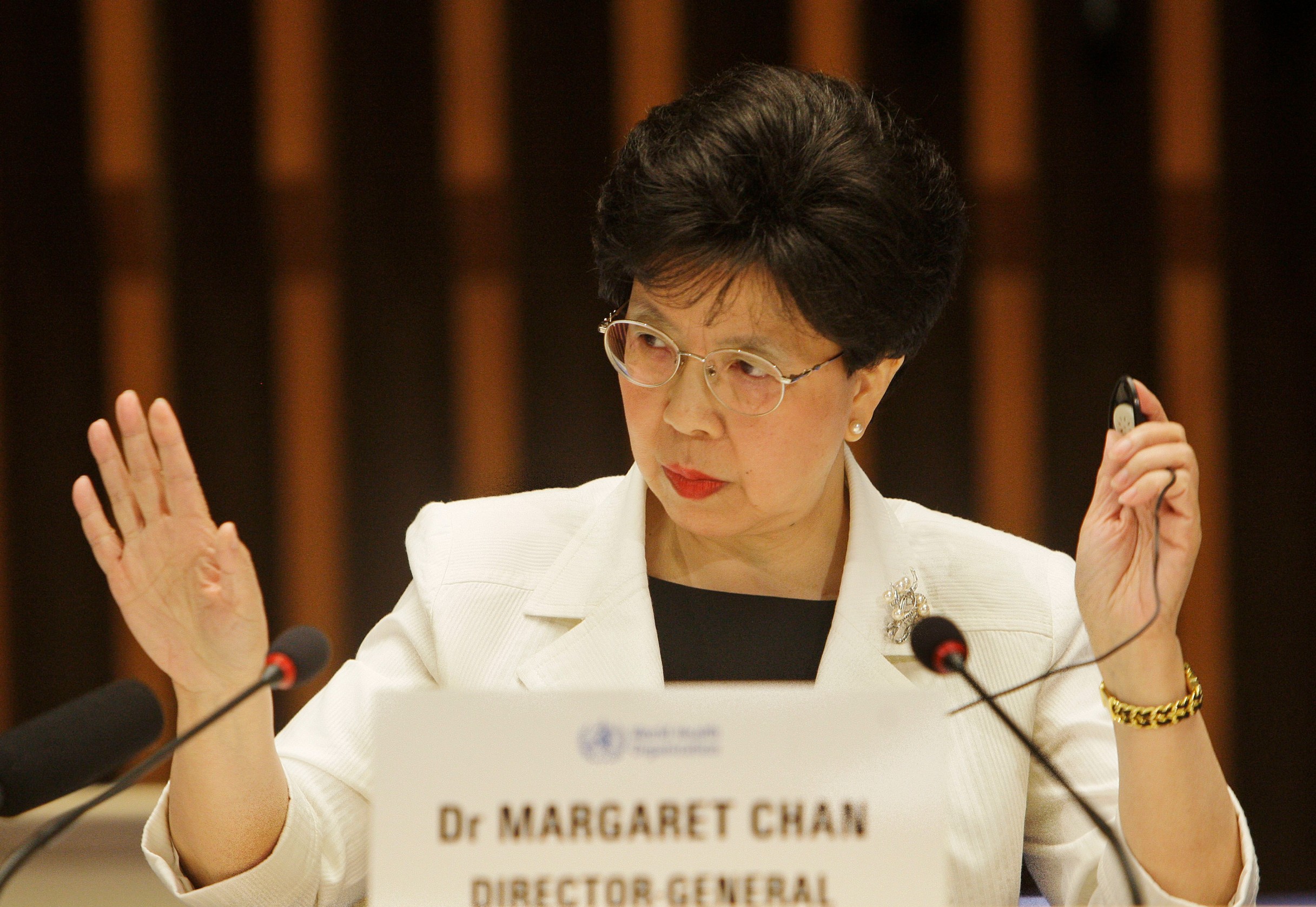
This trend is not limited to the U.S. Nurses around the world are also making an impact in government health departments. For example, Dr. Margaret Chan, a former nurse and the former Director-General of the World Health Organization (WHO), played a significant role in global health policies, particularly during health crises like the Ebola outbreak. Their presence in these roles ensures that healthcare workers' insights and patients' needs are central to national and global health strategies.
The Future of Nurse Leadership and Teamwork
Nurse leaders are stepping up to shape the future of healthcare by embracing technology like telehealth and data analytics to improve care. They’re leading research, driving policy changes, and collaborating with doctors, policymakers, and communities to address complex health issues.
Nurses are also tackling global challenges like climate change, pandemics, and health inequities. Their unique ability to connect with diverse communities and advocate for sustainable, equitable healthcare practices makes their leadership crucial in building a healthier world.
Conclusion
Nurse leadership is a story of growth and impact, showing how nurses have moved from bedside care to shaping healthcare policies. Their expertise and compassion are key in driving real change, making nurses not just caregivers but advocates, innovators, and leaders.
Also read:
The Importance of Nurse Leadership Skills and How to Develop Them
5 Strategies To Improve Your Nursing Leadership Skills
Top 5 Qualities And Skills That Make A Good Nurse Leader
As healthcare faces new challenges, nurse leaders are more important than ever. For nursing students and professionals, the future holds endless opportunities to make a difference. By staying rooted in patient care and embracing leadership roles, nurses can create a healthier, more equitable world. Keep striving, keep leading, and remember: your efforts today shape the healthcare of tomorrow.