How Can Nurses Rebuild Trust in Vaccines?
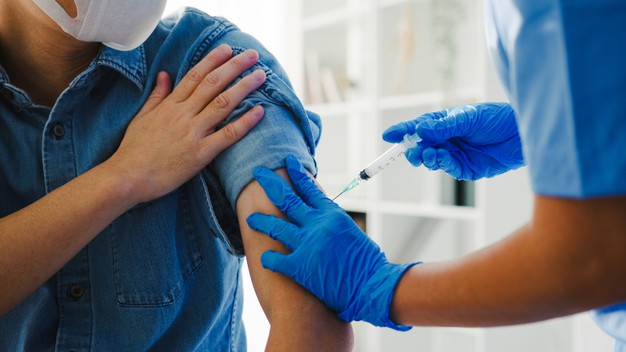
As measles cases surge across continents in mid-2025, a hard truth confronts us: decades of vaccine progress can unravel in months when trust breaks down. This resurgence, fueled by lingering misinformation, public uncertainty, and post-pandemic service gaps, has placed nurses at the front line, not only of immunization efforts but of rebuilding confidence in science itself.
Current Measles Surge: A Global Concern
United Kingdom
England has reported over 500 confirmed measles cases in 2025. In one tragic case, a child died in Liverpool after contracting the virus. Vaccination rates in some regions have dropped below 75%, far from the 95% threshold needed for herd immunity. To reduce the risk of transmission, especially among infants too young to be vaccinated, nurseries have reintroduced COVID-style hygiene protocols and group separation.
Europe and Central Asia
There were 127,350 measles cases reported across the WHO European Region in 2024, more than double the number in 2023. This marks the highest case count in the region since 1997.
Routine childhood immunization coverage has dropped to around 91%, falling below the 95% target required for herd immunity.
East and Southeast Asia
Countries such as Vietnam, Cambodia, the Philippines, and Mongolia are experiencing widespread measles outbreaks. Vietnam alone reported over 81,000 suspected measles cases by May 2025. In South Korea, cases have reached their highest level in six years.
Why Vaccine Mistrust is Growing
1. Complacency
Some parents underestimate measles risks and delay or skip childhood vaccines, believing the disease is no longer a threat.
2. Misinformation
False claims, such as the long debunked link between the MMR vaccine and autism, still circulate widely, especially on social media.
3. Access Barriers
Many missed doses are due to disrupted services, not belief. Families face difficulties in scheduling appointments, reaching clinics, or affording transportation.
4. Distrust in Institutions
During the pandemic, inconsistent messaging from health authorities eroded confidence. That impact is still visible today.
How Nurses Can Rebuild Vaccine Confidence
1. Community-Based Education
Nurses can lead outreach programs, collaborating with schools, religious leaders, and local advocates. Sharing accurate information in native languages and culturally sensitive ways is critical.
2. Honest, Clear Communication
Patients respond better to straightforward explanations. Nurses should discuss vaccine benefits, risks, and side effects without judgment. Open conversations help reduce fear.
3. Mobile and Catch-Up Clinics
Setting up temporary vaccination sites in schools, markets, or community centers brings services closer to people. This is especially effective in rural or under-resourced areas.
4. Digital Advocacy
Nurses have authority. When they share facts and personal insights online, they can counter misinformation more effectively than institutional campaigns alone.
Why This Work Matters
- Measles is one of the most contagious viruses in the world. One infected person can spread it to 12–18 others.
- The MMR vaccine is safe and effective. Two doses offer over 97% protection.
- Outbreaks don’t only harm the unvaccinated. They threaten infants, elderly people, and those with weakened immune systems.
Conclusion
Vaccine hesitancy is more than a health issue. It’s about trust, communication, and access. As a nurse, you have the power to listen, guide, and support every step of the way.
Each time you answer a question, reassure a parent, or speak in your community, you help build trust. Your role is vital in keeping people informed and protected.