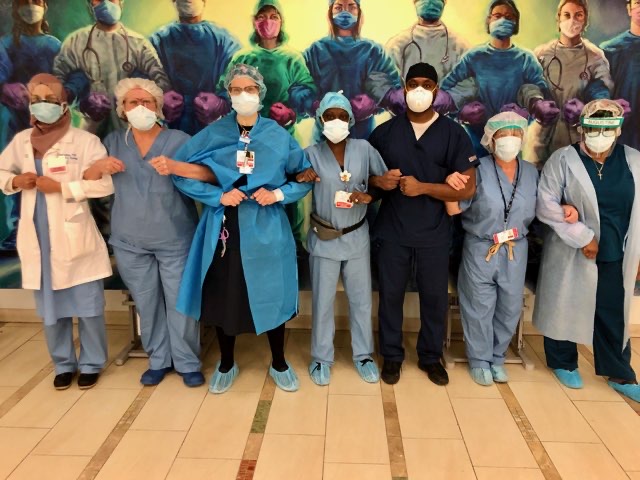
From emergency rooms in New York to rural clinics in Kenya, nurses are leaving faster than they’re being replaced. Not because they’ve stopped caring, but because they’ve been pushed beyond their limits.
The global nursing crisis is real. It’s not just about empty jobs. It’s about real people, real lives, and a system under pressure. Who’s leaving? Who’s hiring? And who’s being left behind?
Who's Leaving?
In many places like the US, Canada, the Philippines, the UK, and parts of Africa, nurses are leaving.
The International Council of Nurses (ICN) says over four million nurses may retire or quit by 2030, posing a serious threat to global health systems. According to the National Council of State Boards of Nursing, over 138,000 nurses in the U.S. left the profession between 2022 and 2024, with burnout as the leading cause. Nearly 40% say they plan to leave by 2029.
In poorer countries, many nurses are moving abroad in search of better pay and safer working conditions. In 2024, over 28,000 nurses from the Philippines applied for the U.S. NCLEX exam.
But it’s not just about the job. Many feel tired, underpaid, and unsupported. Some say they are leaving the work they once loved.
Who's Hiring?
Everyone.
Hospitals in rich countries are competing hard for nurses. In the US, UK, Canada, Germany, Saudi Arabia, and Australia, hospitals are offering sign-on bonuses, quick visas, and high salaries. They want to hire nurses trained in other countries.
Recruitment agencies are everywhere. They focus on tired and overworked nurses in low-income countries. They promise better pay and better work abroad.
In July 2025, Midland Memorial Hospital in Texas brought in its second group of Filipino nurses. The hospital helped with visas and moving costs. Germany is also hiring Filipino nurses.Through a program called the Global Skill Partnership, over 300 nurses have been trained and placed across Europe.
Private staffing agencies are also paying very high wages. Travel nurses can earn over $100,000 a year to work in hospitals that are short-staffed.
But it’s not just about hiring more nurses. Hospitals want nurses with special training. Those with skills in elderly care, ICU, mental health, telehealth, or digital health are in high demand. This is because people are living longer and healthcare is going online.
Who's Left Behind?
Low- and middle-income countries are bearing the heaviest burden.
Nurses from the Philippines, India, Ghana, Nigeria, and other nations are filling shortages in richer countries. But in their home countries, many communities are left without enough care. Some regions have fewer than 5 nurses for every 10,000 people, far below what the World Health Organization recommends.
This loss of trained workers is hurting already weak health systems. Many rural clinics have closed. Some patients wait days or weeks to get help. Long-term illnesses are not treated. More mothers are dying during childbirth.
Even in wealthier countries, the gap is growing. Rural hospitals in the US, NHS centers in the UK, and community clinics in Canada are losing nurses. Many leave for better-paying jobs in cities or private companies.
And here’s a serious concern: fewer young people want to become nurses. If the job doesn’t offer respect, safety, or fair pay, who will want to stay?
What Needs to Change
The global nursing crisis will not fix itself.
Real change means more than just hiring new people. It means supporting the ones already working.
Here is what matters:
• Safe nurse-to-patient ratios
• Strong mental health support
• Fair pay and good benefits
• Chances to grow and lead
• Real respect in every workplace
Countries hiring from abroad should follow ethical recruitment rules. Richer countries can help by funding nursing schools in the countries they hire from. They can also support nurses who want to go back home.
Most important of all, nurses need a voice. In leadership. In policy. In shaping what comes next for healthcare.
Final Thoughts
Nurses are often called the backbone of healthcare. But if that backbone is always under pressure, it will break.
This is not just a staffing problem. It is a global health emergency.
The world cannot afford to ignore it.
The real question is no longer, “Where will we find the next nurse?”
It is, “What are we doing to keep the ones we already have?”