Hepatitis doesn’t always announce itself, but nurses do.
Every year on July 28, the world marks World Hepatitis Day, a time to shine a light on one of healthcare’s most silent and serious threats: viral hepatitis. With over 350 million people living with hepatitis B or C worldwide, the demand for early detection, prevention, and care has never been more urgent, and nurses are leading that response on the frontlines.
The Hidden Burden Nurses See Every Day
Hepatitis often progresses silently, with no symptoms until significant liver damage occurs. In clinics, rural posts, and hospitals, nurses are often the first to notice subtle signs like fatigue, jaundice, and abdominal pain and to ask the right questions that lead to testing.
Beyond early detection, nurses play a critical role in reducing stigma. By building trust and providing clear, respectful information, they help patients feel safe to seek testing and treatment.
How Nurses Make a Difference in Hepatitis Care
1. Screening & Early Detection
Nurses conduct risk assessments, offer testing in primary care settings, and support public health campaigns that bring services to underserved areas.
2. Education & Prevention
From explaining how hepatitis spreads to promoting vaccines, nurses play a critical role in educating patients, families, and even colleagues.
3. Care & Monitoring
Whether it’s helping patients manage chronic hepatitis or supporting them through antiviral treatment, nurses ensure continuity of care by checking lab results, addressing side effects, and offering emotional support.
4. Community Advocacy
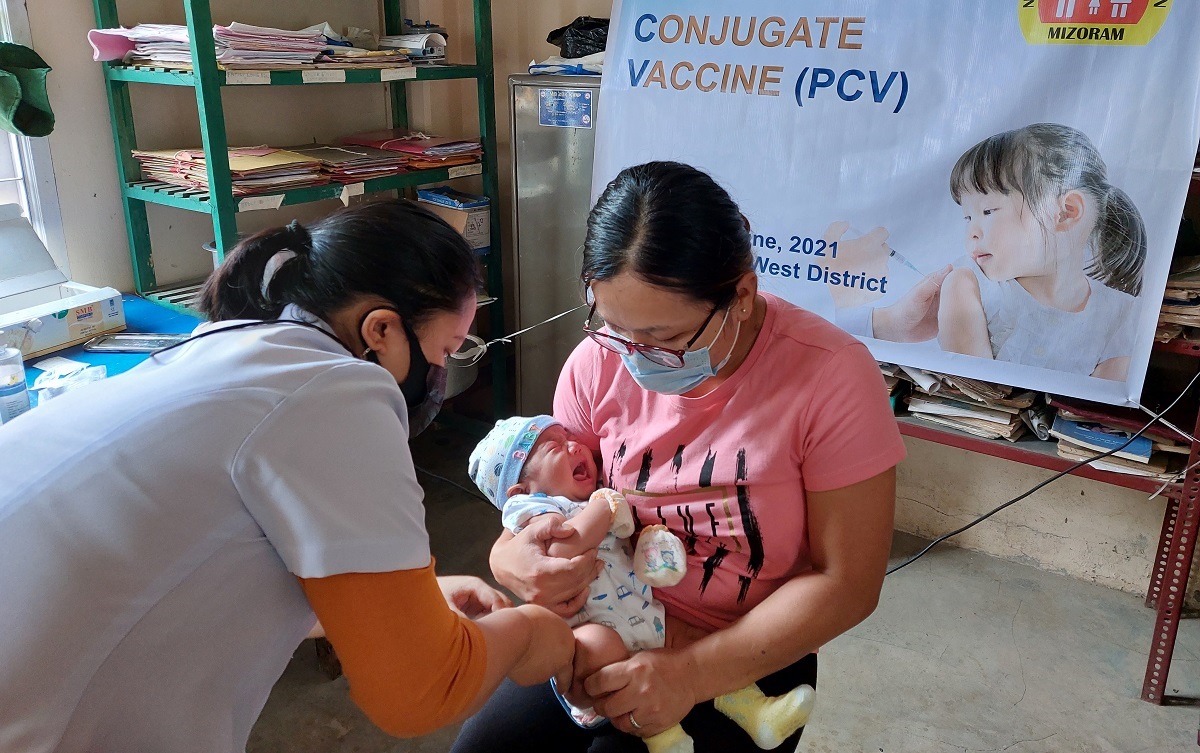
Nurses are trusted voices in communities. They partner with NGOs, schools, and local clinics to raise awareness, organize vaccination drives, and push for equitable access to care.
What Nurses Can Do This World Hepatitis Day
- Start a conversation. Ask patients about hepatitis risk factors and encourage testing.
- Join or lead awareness campaigns in your hospital or community.
- Advocate for vaccines, especially hepatitis B for infants and high-risk adults.
- Educate yourself and others about national hepatitis programs and free screening opportunities.
A Global Goal Nurses Can Help Reach
The World Health Organization aims to eliminate viral hepatitis as a public health threat by 2030. That means 90 percent of people must be diagnosed and 80 percent treated. Nurses are uniquely positioned to turn that goal into reality, one patient, one conversation, one clinic at a time.
Final Word: Your Voice Matters
You don’t need to be a specialist to make a difference. In every setting, nurses have the skills to raise awareness, guide patients, and support care.
This World Hepatitis Day and beyond, your knowledge and presence can help more people get tested, treated, and informed. That’s a powerful role to play.