Hospitals healed patients, but the causes of illness followed them home.
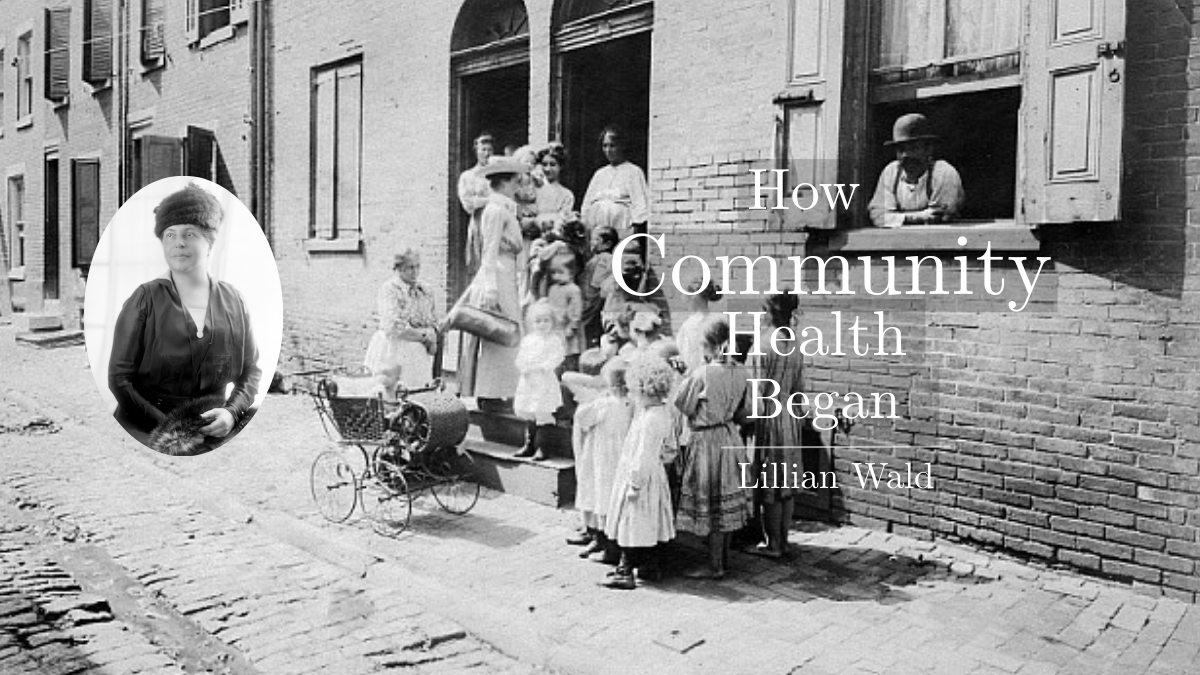
In the late 1890s, medicine stopped at the hospital door. Patients were treated, discharged, and often returned to the same conditions that made them ill. Lillian Wald, working as a nurse among impoverished immigrant families in New York City, noticed what the system ignored. What she saw quietly changed healthcare, long before anyone called it community health.
Seeing What Hospitals Couldn’t
Wald noticed a pattern hospitals overlooked.Patients were treated, sent home, and soon returned just as sick.
She understood why.
Hospitals treated illness, but living conditions caused it. Crowded homes, unsafe water, poor sanitation, and lack of education were not just social problems to her. They were medical realities that no hospital bed could fix.
Taking Healthcare Into the Home
Instead of waiting for patients to reach hospitals, Wald went to them.
She visited families in their homes and cared for people where they lived. In crowded rooms and fragile households, she focused on simple but vital steps: caring for the sick at home, teaching hygiene, watching over mothers and children, and treating small illnesses before they turned serious.
This was rare for her time. Healthcare was no longer limited to hospital walls. It became part of everyday life.
Preventing Illness Before It Started
Wald believed it was better to stop illness early than to treat it later.She focused on child health, care for mothers, nutrition, and education. To her, health was shaped long before symptoms appeared. While medicine often valued dramatic cures, Wald worked quietly to prevent sickness in the first place.
This simple idea became the foundation of preventive care today.
School Nursing: A Simple Idea With Lasting Effects
One of Wald’s most influential ideas was also one of her simplest.
She placed nurses in schools.
Sick children struggled to learn, and untreated illness spread quickly in crowded classrooms. School nurses began identifying health problems early, reducing absenteeism, connecting families to care, and preventing outbreaks.
School health programs now exist across the world. Few remember they began with one nurse asking why children were being overlooked.
Treating Society as the Patient
Wald’s work extended far beyond individual care.
She spoke out for child labor laws, women’s rights, better housing conditions, and access to education and healthcare for immigrants. She believed healthcare without fairness was incomplete.
To Wald, nursing was not only clinical work. It was moral work.
A System Built Without a Name
Lillian Wald did not try to create a new field.She simply responded to what she saw.
From her work grew public health nursing, community care, preventive health, and school nursing. Many healthcare systems today are built on ideas that began with one nurse walking into crowded homes and choosing not to look away.
Why Her Story Still Matters
More than a century later, healthcare faces the same challenge. We invest in hospitals, technology, and treatment, yet many illnesses are still shaped by poverty, environment, education, and living conditions.
Wald’s message remains clear: illness cannot be treated well without addressing what causes it.
Lillian Wald looked beyond illness to the lives behind it. Through her work, healthcare learned to value prevention, presence, and care within the community.
Today’s health systems still reflect her insight. Her contribution remains a lasting gift to medicine and nursing alike.