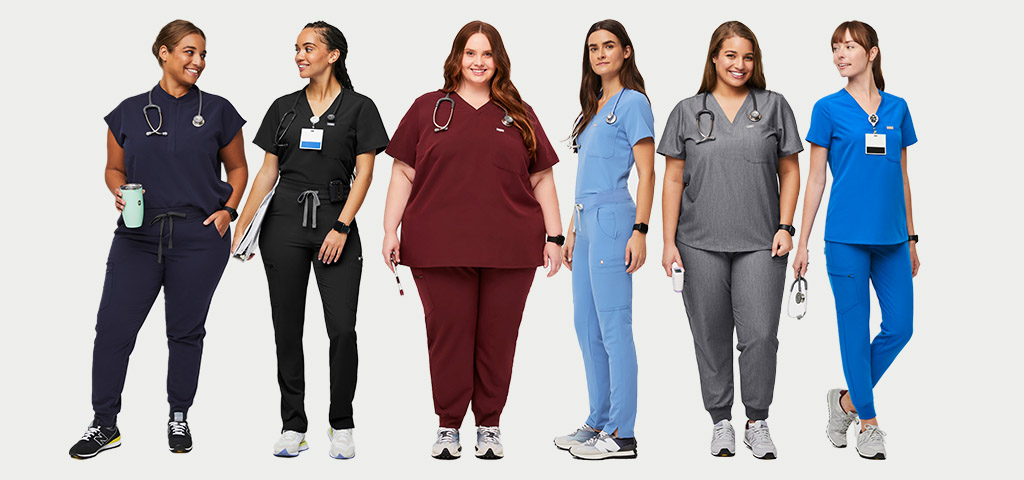
Nurse uniforms have significantly evolved over the decades, reflecting changes in societal norms, medical practices, and fashion trends. From the traditional dresses and caps of the 19th century to the modern scrubs of today, nurse uniforms have transformed in ways that highlight the profession's history, practicality, and progression. This article explores the fascinating journey of nursing attire and its impact on the profession.
The Early Days: 19th Century
In the early 19th century, nursing was not yet a formal profession, and there were no standard uniforms. Nurses wore everyday clothing, which was often cumbersome and impractical for patient care. However, with the establishment of nursing as a profession, largely influenced by Florence Nightingale, uniforms began to standardize.
Florence Nightingale, often regarded as the founder of modern nursing, introduced the first standardized nurse uniform during the Crimean War. These early uniforms were modeled after a nun's habit, symbolizing the nurse's devotion to caring for the sick. The outfit typically included a long dress, an apron, and a cap. The long dress provided modesty, while the apron protected the dress from stains.
The Early 20th Century: Professionalization and Uniformity
As nursing schools and professional organizations were established in the early 20th century, nurse uniforms became more standardized and recognized. The typical uniform consisted of a starched white dress, white apron, and a white cap. The cap, often adorned with stripes or other insignia, denoted the nurse's rank and training.
These uniforms emphasized cleanliness, professionalism, and a sense of order. The starched white dress symbolized purity and hygiene, essential in the burgeoning field of medical science. The apron and cap were practical additions that protected the nurse and helped identify her role within the hospital.
The Mid-20th Century: Practicality and Functionality
The mid-20th century brought significant changes in nurse uniforms, driven by the need for greater practicality and functionality. During World War II, nurses required uniforms that allowed for easier movement and could withstand the demands of a more active role. This period saw the introduction of shorter hemlines, lighter fabrics, and more functional designs.
In the 1950s and 1960s, the nurse uniform continued to evolve, reflecting broader fashion trends. The iconic white dress and cap remained, but uniforms became less restrictive and more comfortable. The use of synthetic fabrics allowed for easier cleaning and maintenance, a crucial factor in busy hospital environments.
The Late 20th Century: The Rise of Scrubs
The late 20th century marked a significant shift in nursing attire with the introduction of scrubs. Initially designed for surgeons and operating room staff, scrubs quickly gained popularity among nurses for their comfort, ease of movement, and practicality. Scrubs, typically consisting of a short-sleeved top and drawstring pants, became the standard uniform in many healthcare settings.
The move to scrubs was driven by several factors, including the need for infection control, ease of laundering, and the growing emphasis on teamwork in healthcare. Scrubs are made from durable, easy-to-clean fabrics and are available in various colors and patterns, allowing for easy identification of different roles and departments within the hospital.
The 21st Century: Personalization and Professionalism
In the 21st century, nurse uniforms continue to evolve, balancing professionalism with personal expression. While scrubs remain the standard attire, there is greater flexibility and variety in styles, colors, and patterns. Hospitals and healthcare facilities often have guidelines, but many allow nurses to choose scrubs that reflect their personalities while maintaining a professional appearance.
Advancements in fabric technology have also led to the development of scrubs that are more comfortable, breathable, and resistant to stains and bacteria. These modern scrubs enhance the functionality and comfort of nurse uniforms, supporting the demanding nature of the profession.
The Impact of Figs Scrubs on Modern Nursing Attire
Nurse uniforms have significantly evolved over the decades, reflecting changes in societal norms, medical practices, and fashion trends. In recent years, Figs has emerged as a game-changer in nurse uniforms. Founded in 2013, Figs revolutionized medical apparel by offering high-quality, comfortable, and stylish scrubs. Unlike traditional scrubs that prioritize functionality over aesthetics, Figs blends the two seamlessly with modern cuts and fits, such as slim-fit and jogger styles, allowing healthcare professionals to feel confident and stylish while maintaining a professional appearance. Figs scrubs are made from a proprietary fabric blend of polyester, rayon, and spandex, offering a four-way stretch for maximum mobility and comfort. This fabric is also moisture-wicking, anti-wrinkle, and resistant to stains and bacteria, making them ideal for demanding healthcare environments. The scrubs are soft against the skin, and the ergonomic design includes reinforced seams and strategically placed pockets, catering to the practical needs of healthcare professionals. Available in a wide range of sizes, including petite and tall options, Figs scrubs ensure a perfect fit for every body type, reducing fatigue and enhancing overall well-being during long shifts. Figs scrubs feature multiple deep pockets for ample storage of medical tools and personal items, with some designs including utility loops and badge holders. The easy-care fabric allows for quick and efficient laundering, essential for maintaining hygiene in healthcare settings. Beyond being a scrub manufacturer, Figs embodies a philosophy of giving back to the healthcare community. Through their "Threads for Threads" initiative, Figs donates scrubs to healthcare providers in need worldwide, resonating with many healthcare professionals who appreciate the brand's efforts to support their colleagues globally. As Figs continues to innovate, the future of nurse uniforms looks promising. The brand is continually developing new fabrics and designs to enhance functionality and comfort, with an increasing focus on personalization and professional expression. Figs scrubs represent a significant advancement in the evolution of nurse uniforms, providing modern solutions that blend style with functionality. By prioritizing the needs and preferences of healthcare professionals, Figs is helping shape a future where nurse uniforms are not only functional and hygienic but also stylish and empowering.
Conclusion
The evolution of nurse uniforms over the decades reflects the changing landscape of healthcare, societal norms, and fashion trends. From the starched white dresses and caps of the 19th century to the versatile scrubs of today, nurse uniforms have continuously adapted to meet the needs of the profession. As nursing continues to evolve, so too will the uniforms, ensuring they remain practical, professional, and reflective of the dedicated individuals who wear them. Brands like Figs are at the forefront of this evolution, offering modern solutions that blend style with functionality.
Note: This article was AI-generated and human-verified for accuracy.
Other Resources: https://blog.velocity.in/the-success-story-of-figs-growth-strategy/?amp=1