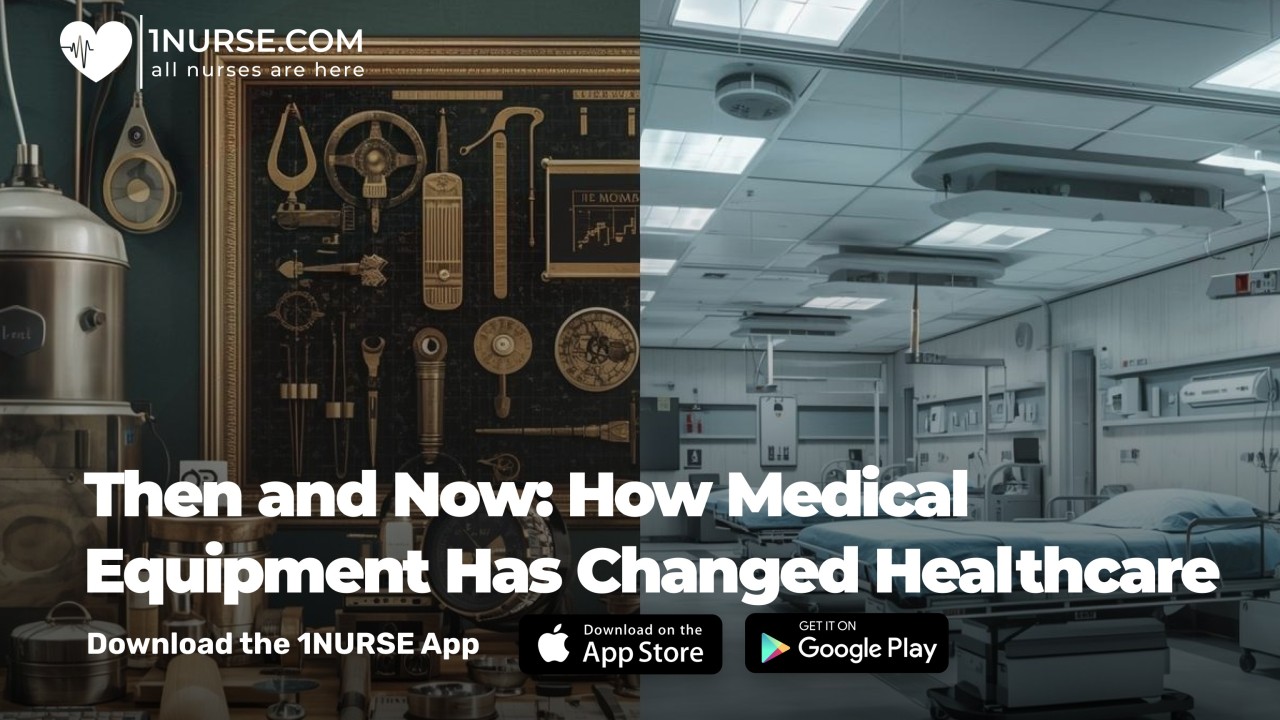
A hospital ward from the past was calm and attentive. Without modern machines, doctors relied on experience and nurses on close observation, creating care that was deeply personal and human.
Today, that same dedication remains. It is now supported by technology. Monitors watch over patients continuously, imaging tools reveal what the eye cannot see, and medical equipment works quietly in the background, strengthening human judgment rather than replacing it.
Finding What’s Wrong: Guesswork vs Clarity
Then:
Diagnosis depended largely on experience. Doctors listened carefully, felt pulses, and made their best judgment. X-rays existed, but images were unclear and risky. Many illnesses were discovered late, when symptoms could no longer be ignored.
Now:
Today, doctors can see inside the body without making a single cut. CT scans, MRI, and ultrasound give clear answers quickly. A disease can be caught early, sometimes before a patient even feels unwell. This clarity changes everything, from treatment choices to survival itself.
Surgery: Fearful Procedures to Fine Precision
Then:
Surgery used to be something people feared deeply. Large cuts, long pain, and infections were common risks. Tools were simple, and recovery could take months.
Now:
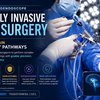
Modern surgery is quieter and gentler. Tiny cameras, precise instruments, and even robotic systems allow surgeons to operate with minimal damage. Patients often go home sooner, heal faster, and carry smaller scars—both physically and emotionally.
Watching Over Patients: Occasional Checks to Constant Care
Then:
A nurse had to be present to notice change. If something went wrong between rounds, it could be missed. Care depended entirely on human observation.
Now:
Monitors watch over patients every second. Heart rate, oxygen levels, and blood pressure are always visible. If danger appears, an alarm speaks up immediately. Technology has become an extra set of eyes that never gets tired.
Treatment: One-Size-Fits-All to Personal Care
Then:
Treatment options were limited. Machines were bulky, medicines less precise, and long hospital stays were common.
Now:
Equipment adapts to the patient. Ventilators breathe with people, dialysis machines work more safely, and infusion pumps deliver exact doses. Some care has even moved home, giving patients comfort along with control.
Records and Communication: Paper Trails to Instant Access
Then:
Patient histories lived in files, easy to misplace and hard to share. One missing page could mean repeated tests or delayed care.
Now:
Digital records travel with the patient. Doctors can see past reports instantly, reducing errors and saving time when it matters most.
More Than Machines
Old medical equipment reflects the dedication and skill of healthcare professionals who provided care with limited tools but unwavering commitment. Every diagnosis and treatment was guided by experience, attention, and human connection.
Modern equipment builds on that foundation, supporting doctors and nurses while keeping patient care at the center. This steady progress shows that when technology works alongside people, healthcare becomes safer, smoother, and more compassionate.