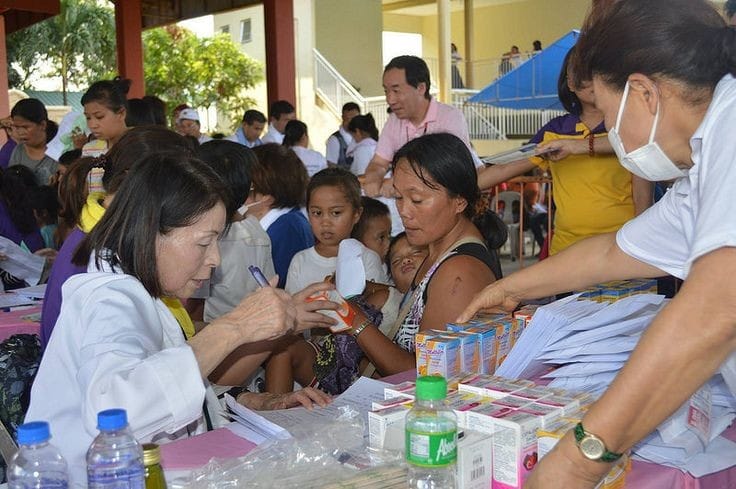
Have you ever wondered who’s helping connect patients to care beyond the hospital walls?
In 2025, nurses are doing just that by playing a vital and growing role in community health. Working alongside doctors, specialists, and public health teams, nurses are using their unique skills to make healthcare more accessible, equitable, and personalized.
From digital tools to green initiatives, nurses in 2025 are leading beyond the bedside. Whether through virtual care, chronic condition support, or community advocacy, they’re making a lasting impact where it matters most.
1. Making Care Available Through Digital Health Tools
Virtual care has grown from an emergency solution to a fundamental part of nursing. Today's nurses work with digital platforms to:Help close care gaps by supporting patients in remote areas who previously struggled to access basic services
- Track ongoing health issues more effectively, reducing return hospital visits through devices that monitor vital signs
- Support early detection with smart alerts that help nurses address potential problems sooner
- These tools help nurses provide more personalized care that reaches people where they are.
2. Addressing Health Fairness and Community Needs
Nurses have special insight into factors that affect health - like unstable housing, food access, and transportation challenges. Currently, they're:
Working with local groups to connect people with food support and housing help
- Supporting policy updates for better health coverage and worker protections
- Using information systems to find and help those most at risk
- Efforts like Johns Hopkins' training program prepare nurses to develop practical solutions for these complex challenges.
3. Supporting Environmentally Responsible Healthcare
With hospitals producing significant waste daily, nurses are taking action by:
- Encouraging reusable equipment and better recycling practices
- Using virtual care options to reduce unnecessary travel
- Teaching patients about earth-friendly health choices
- These steps help both patient health and environmental protection.
4. Addressing Staffing Challenges with New Approaches
Facing ongoing nurse shortages, the field is adapting through:
- Computer-assisted training using virtual reality and customized lessons
- Better work arrangements and support programs to reduce stress
- More options for digital care roles
These changes help maintain a strong, supported nursing workforce.
5. Focusing on Complete Health and Early Care
Nurses are moving from treating illness to supporting overall health by:
- Working in schools to catch health issues sooner
- Offering alternative approaches like movement therapies and stress reduction
- Providing more complete women's health services at all life stages
This shift helps people maintain better health before problems develop.
Final Thoughts: Nurses at the Heart of Community Health
Today's nurses fill many essential roles - as technology users, policy supporters, teachers, and environmental advocates. Their work helps create a health system that works better for everyone. As health organizations recognize, strong nursing remains vital to effective care.
Looking Ahead:
For those in nursing and related fields:
- Support policies that fund community health
- Use digital tools to expand care options
- Maintain personal health to continue this important work
Nurses continue to guide health improvements in communities everywhere.