When people hear the word angioplasty, they often picture a modern hospital, advanced machines, and a cardiologist working quickly to save a life. What many don’t realize is that this common heart procedure began with a bold idea—one that transformed the way heart disease is treated worldwide.
Behind angioplasty is a story of innovation, determination, and a doctor who believed that heart care could be safer and less invasive.
The Discovery That Changed Cardiology
The story of angioplasty begins with Dr. Andreas Grüntzig, a German-Swiss cardiologist whose work revolutionized cardiovascular medicine.
In the 1970s, patients with blocked coronary arteries had limited options. Open-heart surgery was often the only solution, carrying significant risks and long recovery times. Dr. Grüntzig challenged this norm by proposing a groundbreaking idea: using a small inflatable balloon to open narrowed arteries from the inside.
In 1977, Dr. Grüntzig successfully performed the first coronary angioplasty in Zurich, Switzerland. The patient was awake, the artery was reopened, and blood flow was restored without major surgery. This historic moment marked the beginning of modern interventional cardiology.
What Is Angioplasty?
Angioplasty, medically known as Percutaneous Transluminal Coronary Angioplasty (PTCA), is a minimally invasive procedure used to treat blocked or narrowed arteries, especially those supplying the heart.
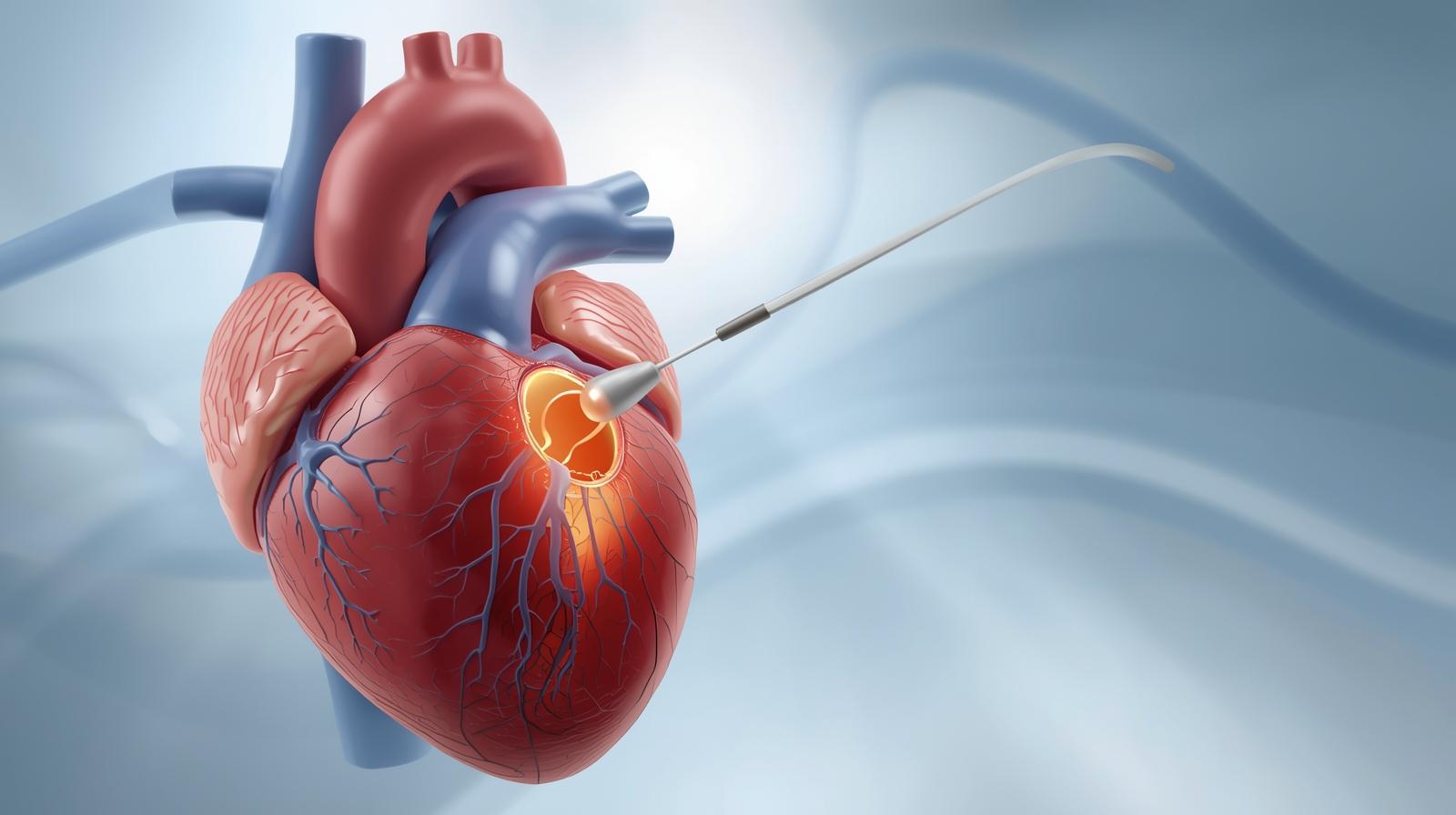
A thin catheter is inserted through a blood vessel in the wrist or groin and guided to the blocked artery. A small balloon is then inflated to widen the artery. In many cases, a stent is placed to help keep the artery open.
Angioplasty helps restore blood flow, relieve chest pain, and reduce the risk of heart attacks.
Why Angioplasty Was a Medical Breakthrough
Before angioplasty, heart surgery meant large incisions, extended hospital stays, and long recovery periods. Angioplasty changed everything.
It allowed doctors to treat blocked arteries without open-heart surgery, shortened hospital stays, sped up recovery, and provided immediate improvement in blood circulation. Today, angioplasty is one of the most frequently performed cardiac procedures worldwide.
The Human Legacy Behind the Innovation
Dr. Grüntzig was not only an innovator but also a passionate teacher. He traveled to different countries to train doctors and demonstrate angioplasty techniques. His dedication helped bring this life-saving procedure to patients around the world.
Although his life was tragically cut short in 1985, his work continues to save millions of lives. Every successful angioplasty performed today is part of his lasting legacy.
Angioplasty in Modern Medicine
Modern angioplasty has advanced significantly with the use of drug-eluting stents, improved imaging technology, and safer techniques. Many patients can now return home sooner and recover faster than ever before.
Despite these advancements, the goal remains the same: restoring blood flow to protect the heart.
Why Angioplasty Still Matters Today
Heart disease remains one of the leading causes of death globally. Understanding angioplasty helps patients, families, and healthcare professionals make informed decisions about heart health.
For nursing students and medical professionals, angioplasty is a powerful example of how innovation and patient-centered care can transform outcomes.