Hospitals are busier than ever. As patient numbers grow and staffing shortages continue, nurses are stretched thin, often spending valuable hours on routine tasks instead of direct patient care. AI-powered service robots like Nurabot are now stepping in to help lighten that load.
What Is Nurabot?
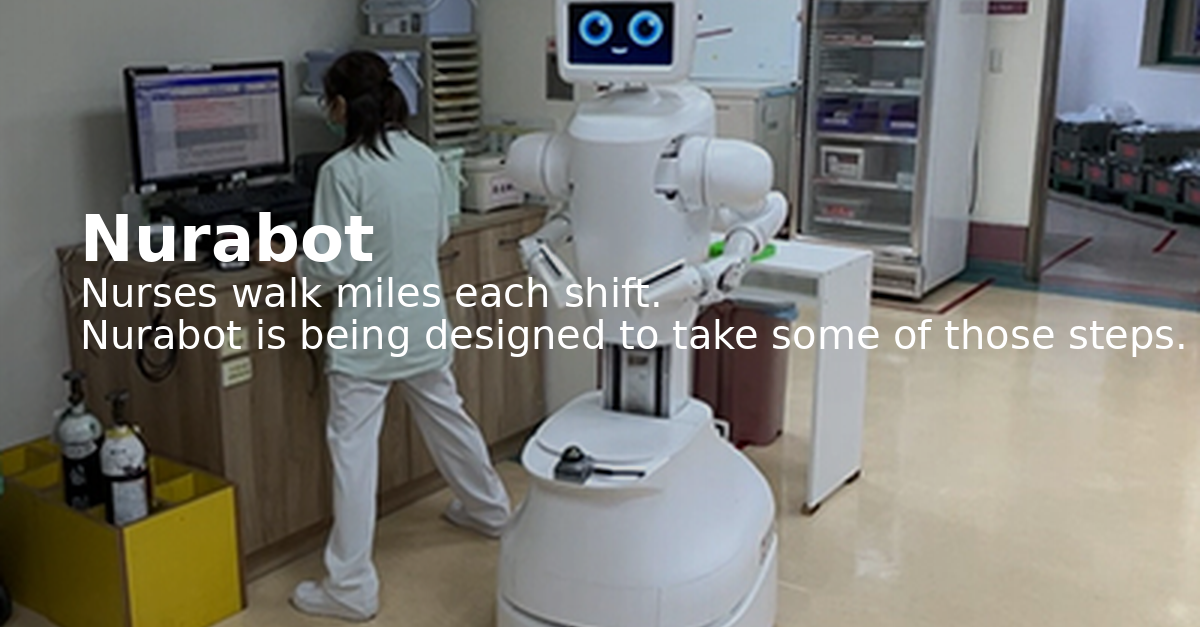
Nurabot is an AI-driven hospital service robot developed by Foxconn. Designed to assist rather than replace nurses, it autonomously navigates hospital corridors using sensors and secure storage compartments to carry supplies and medications.
Its mission is straightforward: reduce nurses’ physical workload so they can spend more time with patients.
What Can It Do?
In hospital trials, Nurabot can:
- Deliver medications and supplies
- Transport laboratory specimens
- Patrol corridors
- Guide visitors
- Support patient education via on-screen interaction
These tasks require logistics rather than clinical judgment, making them ideal for automation.
Real-World Use
Nurabot is currently undergoing trials at Taichung Veterans General Hospital in Taiwan. Early pilot data suggests the robot may reduce certain routine workloads by up to 30 percent by cutting unnecessary walking and repetitive trips.
While still in early stages, this marks a shift toward practical AI integration in everyday hospital care.
Why Hospitals Are Interested
Healthcare systems are exploring robotic support due to:
- Persistent nursing shortages
- Growing patient demand
- Burnout from repetitive physical tasks
- Operational inefficiencies
By handling predictable duties, robots help redistribute human effort toward clinical decision-making and patient interaction.
A Crucial Point: Robots Don’t Replace Nurses
It is essential that you understand that Nurabot and similar systems help nurses provide patient care; however, they do not replace nurses.
Robots lack the ability to carry out complex clinical assessments; provide empathy to others; make complicated decisions regarding medical care; or adapt to changing patient needs. Healthcare will always be human-centred; therefore, the most effective care model will include both nurse and technology working together to create coordinated routines for nursing and technology to work separately on completing routine tasks for both nurses and patients.
What Comes Next?
Future versions may offer improved communication, advanced monitoring capabilities, and integration with hospital digital systems. If trials continue to show positive results, AI nurse robots could become a common presence in hospitals over the next decade.
The goal is not a high-tech spectacle, but a quieter transformation: fewer wasted steps for nurses, smoother ward operations, and more time at the bedside.
Final Thought
Healthcare has always evolved through a partnership between human skill and technological progress. AI nurse robots like Nurabot represent another step in that long journey.
Used wisely, they do not take away the human touch in medicine. They help protect it by giving nurses back the time and energy to use it where it matters most.